Victoria Yeh writes in her article about "Life After Wheat" that "Gluten-free has almost become the new “fad” diet of today, with various celebrities and fitness gurus touting its benefits. But for those of us who have a true dietary sensitivity, a gluten-free diet is more than a fad – it’s a necessity. According to the Canadian Celiac Association, approximately 1% of the population suffers from celiac disease, characterized by inflammation and damage to the intestinal wall. This can lead to a range of issues from poor nutrient absorption to unexplained neurological symptoms and even infertility. While the incidence of celiac disease is relatively low, it is estimated that yet another 10-15% of the population has some form of non-celiac gluten sensitivity. Since the symptoms of food sensitivities can be so varied and easily ignored, many people go years without a proper diagnosis and simply normalize or adapt to a life of sub-optimal health."
Having had to discover that I too have the issue of gluten and gliaden sensitivity a couple of years ago I seem to wander around the internet looking for related information because so many others also live with this concern.
Just in the last week or so I learned something new. It was timely to me because my organization just distributed a very large donation of probiotics to several groups in need of this product for those they serve.
I am fairly sure that few know that if you do move to a gluten free diet you risk losing some of the beneficial protective mechanisms found in the gut because of the higher risk of bacterial overgrowth.
So if you too are gluten free by choice or by need, then make sure you are taking your daily supplement of high quality probiotics** to keep the health flora growing.
You health will love you for it.
(**I do not consider the highly advertised and costly grocery store products to be high quality: Look for a well respected supplement brand.)
24 November 2010


Homeopathy for Hypertension
The pharmaceutical assault on hypertension can be good or not. Longterm side effects of the drugs are often a cause for people to stop the medication. Of course some in mainstream medicine and government controlled health programs do not want you to have access to anything not pharmaceutical to help you regain your health. NHN hopes you take the high road and make the best choices for your good health. And do not forget, nutrition does matter!
Excerpt from an article by Mahnaz Shahrzad Asr, a Homeopathic Doctor in Toronto
Excerpt from an article by Mahnaz Shahrzad Asr, a Homeopathic Doctor in Toronto
Hypertension, or abnormally high blood pressure, is often referred to as the “silent killer.” This is because it does not usually manifest any symptoms while causing damage to the heart, brain, kidneys, and eyes.According to the World Health Organization, “Hypertension affects 600 million people worldwide. Yet many are unaware that they have the disease and are at risk of developing a stroke, heart disease, blindness and kidney failure. Hypertension causes five million premature deaths per year, yet there is no proper solution for curing hypertension.”There are two types of hypertension – primary and secondary. Primary hypertension does not have any specific identifiable causes, whereas secondary hypertension results from identifiable and often correctable causes. Only about five to ten percent of hypertension cases are thought to result from secondary causes, the most common of which are kidney disease, adrenal gland disease, narrowing of the aorta, and sleep apnea, among others.Homeopathy, a branch of alternative medicine based on the Law of Similars, is one of the most effective hypertension treatments, in my opinion. Homeopathic theory views disease as a dynamic disturbance that affects the whole, as opposed to a specific part of the body. Homeopathy believes in holistic, totality, and individualized approaches. A holistic approach means that every manifested symptom in a body relates to a mental or emotional state. In a totality approach, homeopathy does not aim to treat a specific organ, but the body in its entirety. Many factors affect an individual’s life, including the environment and inherited diseases. Consequently, every individual experiences and manifests the same disease differently, and must be treated individually as a result.Cause of HypertensionDoctors are often unable to pinpoint the exact cause of hypertension. However, it is a known fact that many prescriptions and over-the-counter drugs such as corticosteroids and immunosuppressive drugs can cause or exacerbate hypertension. Medication taken for pain and inflammation, such as non-steroidal anti-inflammatory drugs (NSAIDs) and cyclooxygenase-2 (COX-2) inhibitors may also raise blood pressure, because their anti-prostaglandin properties affect the kidneys. As well, tobacco products (cigarettes, cigars, smokeless tobacco) contain nicotine, which temporarily increases blood pressure (for about 30 min. or less). Chronic overuse of alcohol is a potentially irreversible cause of hypertension. In fact, 30 to 60% of alcoholics suffer from hypertension. Alcohol-induced hypertension is more likely to occur in women than men. Caffeine intake may also cause an acute (rapid but brief) increase in blood pressure.
More about hypertension here and hereResearch indicates that about 62% of strokes and 49% of heart attacks are caused by hypertension. Homeopathy can help high blood pressure, determining its cause through a holistic approach that looks to cure the individual as a whole. Homeopaths simply use symptoms, and the sensation of experiencing those symptoms, to determine which homeopathic remedy will most effectively trigger the body’s healing response.Homeopathic treatment is recommended because it not only can lower and stabilize blood pressure, it also has a positive effect on overall health.Here are some acute hypertension remedies, along with their symptom pictures. Please keep in mind that these remedies may be used for immediate situations in a palliative manner. They won’t necessarily cure hypertension unless the remedy appropriately matches the individual’s personality.Arg-n: If blood pressure rises with anxiety and nervousness, this remedy may be indicated. “Stage fright” or anticipation of a stressful event can bring on dizziness, headache, diarrhea, and a pounding pulse. People who need this remedy are typically warm-blooded, imaginative, impulsive, claustrophobic, and have cravings for sweets and salt.Calc-c: This remedy is often helpful to people with high blood pressure who easily tire and have poor stamina. They are typically responsible types who feel overwhelmed when ill and fear a breakdown. Palpitations and breathing problems can be worse from walking up a slope or stairs, and also when lying down. A general chilliness with clammy hands and feet (the feet may heat up in bed at night) and sweat on the head during sleep are other indicators. The person may have cravings for sweets and eggs, and tend toward weight problems.Glonoinum: A flushed face with a pounding headache and visible throbbing in the blood vessels of the neck may indicate a need for this remedy. The chest can feel congested or hot, with a pounding or irregular heartbeat. The person is worse after moving around, heat and sun exposure, and drinking alcohol. A feeling of “being lost in a familiar place” is a strong indicator for this remedy.Nat-mur: A person who needs this remedy seems reserved and responsible, but may have strong feelings (of grief, disappointment, anger, grudges, a fear of misfortune) inside. Headaches and palpitations are common, as well as a feeling of tension (even coldness) in the chest. The person feels worse after sun exposure, worse around mid-morning, and better when alone in a quiet place. A craving for salt and strong thirst can help to confirm this remedy choice.Phos: A person who needs this remedy is usually sensitive, suggestible, and sympathetic, with a tendency toward weakness, dizziness, a “spaced-out” feeling, and fearfulness. Nosebleeds, facial flushing, palpitations, feelings of heaviness or pain in the chest, and left-sided problems are often seen. A strong desire for cold drinks and refreshing things, and a marked improvement after eating and sleeping are other indicators for Phosphorus.
The Table of Promise Retrospective: It Made Out of Food, But It Is Really Food?
Writing this post got me so fired up. I hope it gets you angry too.
On a recent quiet Wednesday morning. Some co-workers and I nibbled on some organic cheese flavored corn/ rice puffs as we discussed that we shouldn't be hungry for lunch at 11:15am.
I shoveled my fair share of the puffs into my mouth with cheese dust covered fingers and sighed. 'It's too bad this isn't real food.' I quipped.
My colleagues were quick to correct me. 'These are organic, and look, there's no weird ingredients listed on the back!' I turned over the package to see what was listed.
They were right. No mono- or tetra- anything. No TBHQ or other acronyms. The ingredients listed among others, potato flour, rice flour, cheddar cheese powder, probably a whey of some kind given the presence of dairy, canola oil, and probably natural flavorings, but maybe not I can't remember. After reading the ingredients I didn't have a snappy comeback. I never have the snappy comeback, they always come to me when I am, say, typing blog entries on the train. This packaged dusty cheesy invention was absolutely made from food. There were no smoke and mirrors. Still I stubbornly fought that this was not food. My colleagues went back to their desks.
The bag contained 4 servings of puffs each containing 130 calories, 5 grams of fat and no fiber. Those of you who have ever been a part of the heavily copyrighted diet I have mentioned before will quickly pull out your slide rules and notice, the bag contains 12 food units. When I have a big lunch of a sandwich, chips and a side salad, it usually adds up to 10-12 food units. It is a tremendous amount of food! I usually don't want to eat for a long while after a 12 food unit meal. So if that is the case, how could I easily put away that entire bag of puffs between meals and still belly up to the table the next time the dinner bell rang?
My poor cube mate is a gracious woman who handles all of my passionate monologues with grace. She never interrupts, and always smiles when I am done. She was the only one left in our cube to listen when the it finally came to me. Yes, the puffs are made from food, but they are not food. Why not? It's because all these food based ingredients have been taken out of their original food context. When you eat a baked potato, you get the carbs yes, but you also get the fiber and vitamins of the potato. And if you eat the skin like I do (love it) you get lots more nutrition. The potato's carbs will raise your blood sugar levels, but the fiber makes it harder to digest, so your body has to work harder and longer to get those carbs. You don't feel the raise in your blood sugar because the carbohydrates are absorbed gradually and the effects are spread out over time. But when you take a potato and make potato flour or potato starch, you remove the fiber and some (or all-i am not a nutritionist, so I am not certain) of the vitamins and minerals. These puffs are nothing more than reconstituted flours covered in cheese powders. All that flour is easily and quickly absorbed by the body, your blood sugar spikes because it is processed all at once and then you crash when it is all done, leaving you hungry again. Part of why you can eat so many of them is because in the processing they remove all the food parts that help you feel full and help your body signal you to stop eating. This is not just the case with potato flour, white bread flour is no better. There is some bit of magic in that wheat germ. That magic keeps us full. Have you ever tried to eat 4 baked potatoes? That's tough, you'd be stuffed. But that is also 12 food units. There will never be a cheese puff that is a whole food. And 'whole food' does not just refer to a pricey grocery store chain. It is a term that means a food that is left as it was given to us by God. Not deconstructed by us only to be put back together again.
I want to scream this from the top of the George Washington Bridge: EAT FOOD! Make your kids eat food! Real food! Not just stuff that's made from food. You deserve better, your kids deserve better!! Forward this post to people if you like it! Please! Share this with your friends on Facebook if you agree. We need to stop kidding ourselves about what we are eating. At the same time we need to be realistic and kind to ourselves. We live in the modern world, no one is going to live a completely cheese puff free existence. I ate them myself the other day and I will again, I have no doubt. But if you are mostly eating whole foods, whole grains, veggies, fruits, meats, yogurts, nuts, etc you will be well on your way to health and well being. This post represents the heart of why I have taken on this project. I have passion about my family's health and well being. And our food.
On a recent quiet Wednesday morning. Some co-workers and I nibbled on some organic cheese flavored corn/ rice puffs as we discussed that we shouldn't be hungry for lunch at 11:15am.
I shoveled my fair share of the puffs into my mouth with cheese dust covered fingers and sighed. 'It's too bad this isn't real food.' I quipped.
My colleagues were quick to correct me. 'These are organic, and look, there's no weird ingredients listed on the back!' I turned over the package to see what was listed.
They were right. No mono- or tetra- anything. No TBHQ or other acronyms. The ingredients listed among others, potato flour, rice flour, cheddar cheese powder, probably a whey of some kind given the presence of dairy, canola oil, and probably natural flavorings, but maybe not I can't remember. After reading the ingredients I didn't have a snappy comeback. I never have the snappy comeback, they always come to me when I am, say, typing blog entries on the train. This packaged dusty cheesy invention was absolutely made from food. There were no smoke and mirrors. Still I stubbornly fought that this was not food. My colleagues went back to their desks.
The bag contained 4 servings of puffs each containing 130 calories, 5 grams of fat and no fiber. Those of you who have ever been a part of the heavily copyrighted diet I have mentioned before will quickly pull out your slide rules and notice, the bag contains 12 food units. When I have a big lunch of a sandwich, chips and a side salad, it usually adds up to 10-12 food units. It is a tremendous amount of food! I usually don't want to eat for a long while after a 12 food unit meal. So if that is the case, how could I easily put away that entire bag of puffs between meals and still belly up to the table the next time the dinner bell rang?
My poor cube mate is a gracious woman who handles all of my passionate monologues with grace. She never interrupts, and always smiles when I am done. She was the only one left in our cube to listen when the it finally came to me. Yes, the puffs are made from food, but they are not food. Why not? It's because all these food based ingredients have been taken out of their original food context. When you eat a baked potato, you get the carbs yes, but you also get the fiber and vitamins of the potato. And if you eat the skin like I do (love it) you get lots more nutrition. The potato's carbs will raise your blood sugar levels, but the fiber makes it harder to digest, so your body has to work harder and longer to get those carbs. You don't feel the raise in your blood sugar because the carbohydrates are absorbed gradually and the effects are spread out over time. But when you take a potato and make potato flour or potato starch, you remove the fiber and some (or all-i am not a nutritionist, so I am not certain) of the vitamins and minerals. These puffs are nothing more than reconstituted flours covered in cheese powders. All that flour is easily and quickly absorbed by the body, your blood sugar spikes because it is processed all at once and then you crash when it is all done, leaving you hungry again. Part of why you can eat so many of them is because in the processing they remove all the food parts that help you feel full and help your body signal you to stop eating. This is not just the case with potato flour, white bread flour is no better. There is some bit of magic in that wheat germ. That magic keeps us full. Have you ever tried to eat 4 baked potatoes? That's tough, you'd be stuffed. But that is also 12 food units. There will never be a cheese puff that is a whole food. And 'whole food' does not just refer to a pricey grocery store chain. It is a term that means a food that is left as it was given to us by God. Not deconstructed by us only to be put back together again.
I want to scream this from the top of the George Washington Bridge: EAT FOOD! Make your kids eat food! Real food! Not just stuff that's made from food. You deserve better, your kids deserve better!! Forward this post to people if you like it! Please! Share this with your friends on Facebook if you agree. We need to stop kidding ourselves about what we are eating. At the same time we need to be realistic and kind to ourselves. We live in the modern world, no one is going to live a completely cheese puff free existence. I ate them myself the other day and I will again, I have no doubt. But if you are mostly eating whole foods, whole grains, veggies, fruits, meats, yogurts, nuts, etc you will be well on your way to health and well being. This post represents the heart of why I have taken on this project. I have passion about my family's health and well being. And our food.
23 November 2010
The Table of Promise Retrospective: Watermelon Sorbet
Today, one of my most favoritest posts. This post crystalizes how parents and other caretakers must work together to offer their children a better diet.
Let me start off by saying that I cleared this post with DH before even starting it. My blog is not an opportunity to bash my hubs in any way, he is such a great guy and a great father. So before you get the impression that I am just pointing fingers or being judgemental, I did make sure he was cool with this before I put it out on the internet. In fact, one could say he did a good thing by sparking my interest in the right direction!
The other day I asked DH to pick up some tortillas on the way home (mmmm, that was a good taco night). He texted me 'did you buy ice cream this week' and I said no. I think my husband is made of about 50% ice cream. I wasn't shocked by his text, he loves ice cream. I figured he would bring home some Breyer's. When I got home he was talking to Thing 1 about the awesome treat he got at the store: watermelon italian ice!! Whoa, that is a super special treat for Thing 1. After dinner he usually gets fruit, because who wants a two year old bouncing off the wall on a sugar high at bedtime. I am way more down with ice cream or sugar at 3pm than 8pm.
So after a somewhat pleasant dinner, DH got out the individually packaged watermelon ice and gave it to Thing 1. Of course Thing 1 loved it. My hubby has many fond memories of eating italian ice in the summertime on Long Island and wants to have our children to share the same great memories.
Then he asked me to try it.
It was seriously gross. And I am not just channeling my mother here, whose hatred of watermelon bubble gum was legendary. It was pure sugar, I didn't even hardly taste the watermelon flavor. And it had this syrupy consistency like something you couldn't quite get off the roof of your mouth. Then it hit me, it was grainy at the end and finished with an overwhelming freezer burn flavor. These things had probably been sitting in the store's freezer unit for 6 months or more. I looked at the ingredients, water, sugar, corn syrup, cellulose gum, soy protein, red food coloring, etc. If there ever was an imitation food, here it was. There was nothing that was at all real about this food. I told DH that this was exactly the kind of garbage I was trying to keep out of our kitchen by writing this blog. He tasted it and agreed it was pretty bad, but then laughed and said he had done me favor because he created a situation for me to write about.
Now cellulose gum sounds like a normal food additive to me. There are gums everywhere, guar gum, locust bean gum, etc. Cellulose gum is slightly different in that it is in no way or shape a food item. I repeat: some gums, like guar gum, are made from food, cellulose gum is not made from food. From Wikipedia I found the following: "CMC [cellulose gum] is used in food science as a viscosity modifier or thickener, and to stabilize emulsions in various products including ice cream....It is used primarily because it has high viscosity, is non-toxic, and is non-allergenic." Wikipedia also mentions that cellulose gum is used in everything from KY jelly to toothpaste, laxatives and diet pills to water based paints. This stuff is not food. I couldn't find a lot of sites that said what it was made from, though Yahoo 'Answers' had some guy saying that it was made from wood pulp and cotton. I find that Yahoo 'Answers' does not always have the most reliable information though so I am not going to stand here and tell you that that is a fact. But I have a strong feeling that this stuff is not derived from a food source. Undoubtedly though, this cellulose gum was responsible for giving the ice that sticky feeling on the roof of my mouth. That, and the corn syrup I am sure. I told DH to come home with some real fresh watermelon the next night and we'd see if we couldn't make something better.
Watermelon Ice or Watermelon Sorbet
4 cups chunked, de-seeded watermelon (I didn't really measure, I just took a quarter of a watermelon and cut as much as would fit into the blender)
1/4 cup sugar (or more if you really want it sweet or none if you like it the way it is)
Place your de-seeded fruit in a blender. Puree a little bit to get it going and then add your sugar. Blend until mixed. Pour the mix into a ready frozen ice cream maker and follow your machine's directions. I have a Cuisinart Ice Cream Maker that is worth every penny. A lot of websites are selling the same one now for $50 so go out and get it! It is a kitchen gadget that can't be substituted by anything else.
So we made the 'watermelon ice cream' and it was a huge hit. I asked Thing 1 which one he liked better, the ice he had the night before? Or the one I had just made, and he said "this one". Now he is not yet three, so I am sure he would always prefer the real one on his spoon to the one in his memory. But even still, I'll take it.
Notes: Carboxymethyl Cellulose. Wikipedia, The Free Encyclopedia. 2 June, 2010.
Let me start off by saying that I cleared this post with DH before even starting it. My blog is not an opportunity to bash my hubs in any way, he is such a great guy and a great father. So before you get the impression that I am just pointing fingers or being judgemental, I did make sure he was cool with this before I put it out on the internet. In fact, one could say he did a good thing by sparking my interest in the right direction!
The other day I asked DH to pick up some tortillas on the way home (mmmm, that was a good taco night). He texted me 'did you buy ice cream this week' and I said no. I think my husband is made of about 50% ice cream. I wasn't shocked by his text, he loves ice cream. I figured he would bring home some Breyer's. When I got home he was talking to Thing 1 about the awesome treat he got at the store: watermelon italian ice!! Whoa, that is a super special treat for Thing 1. After dinner he usually gets fruit, because who wants a two year old bouncing off the wall on a sugar high at bedtime. I am way more down with ice cream or sugar at 3pm than 8pm.
So after a somewhat pleasant dinner, DH got out the individually packaged watermelon ice and gave it to Thing 1. Of course Thing 1 loved it. My hubby has many fond memories of eating italian ice in the summertime on Long Island and wants to have our children to share the same great memories.
Then he asked me to try it.
It was seriously gross. And I am not just channeling my mother here, whose hatred of watermelon bubble gum was legendary. It was pure sugar, I didn't even hardly taste the watermelon flavor. And it had this syrupy consistency like something you couldn't quite get off the roof of your mouth. Then it hit me, it was grainy at the end and finished with an overwhelming freezer burn flavor. These things had probably been sitting in the store's freezer unit for 6 months or more. I looked at the ingredients, water, sugar, corn syrup, cellulose gum, soy protein, red food coloring, etc. If there ever was an imitation food, here it was. There was nothing that was at all real about this food. I told DH that this was exactly the kind of garbage I was trying to keep out of our kitchen by writing this blog. He tasted it and agreed it was pretty bad, but then laughed and said he had done me favor because he created a situation for me to write about.
Now cellulose gum sounds like a normal food additive to me. There are gums everywhere, guar gum, locust bean gum, etc. Cellulose gum is slightly different in that it is in no way or shape a food item. I repeat: some gums, like guar gum, are made from food, cellulose gum is not made from food. From Wikipedia I found the following: "CMC [cellulose gum] is used in food science as a viscosity modifier or thickener, and to stabilize emulsions in various products including ice cream....It is used primarily because it has high viscosity, is non-toxic, and is non-allergenic." Wikipedia also mentions that cellulose gum is used in everything from KY jelly to toothpaste, laxatives and diet pills to water based paints. This stuff is not food. I couldn't find a lot of sites that said what it was made from, though Yahoo 'Answers' had some guy saying that it was made from wood pulp and cotton. I find that Yahoo 'Answers' does not always have the most reliable information though so I am not going to stand here and tell you that that is a fact. But I have a strong feeling that this stuff is not derived from a food source. Undoubtedly though, this cellulose gum was responsible for giving the ice that sticky feeling on the roof of my mouth. That, and the corn syrup I am sure. I told DH to come home with some real fresh watermelon the next night and we'd see if we couldn't make something better.
Watermelon Ice or Watermelon Sorbet
4 cups chunked, de-seeded watermelon (I didn't really measure, I just took a quarter of a watermelon and cut as much as would fit into the blender)
1/4 cup sugar (or more if you really want it sweet or none if you like it the way it is)
Place your de-seeded fruit in a blender. Puree a little bit to get it going and then add your sugar. Blend until mixed. Pour the mix into a ready frozen ice cream maker and follow your machine's directions. I have a Cuisinart Ice Cream Maker that is worth every penny. A lot of websites are selling the same one now for $50 so go out and get it! It is a kitchen gadget that can't be substituted by anything else.
So we made the 'watermelon ice cream' and it was a huge hit. I asked Thing 1 which one he liked better, the ice he had the night before? Or the one I had just made, and he said "this one". Now he is not yet three, so I am sure he would always prefer the real one on his spoon to the one in his memory. But even still, I'll take it.
Notes: Carboxymethyl Cellulose. Wikipedia, The Free Encyclopedia. 2 June, 2010.
'Climate-Ready' Crop Patents Threaten Biodiversity
'Climate-Ready' Crop Patents Threaten Biodiversity - Healthy People, Healthy Planet
By Anna Archibald
The ETC Group has identified over 1,663 patent documents that have been filed by some of the leading seed and agrochemical corporations, claiming “climate-ready” crops as the future of the world’s food supply — what some are calling “biopiracy.”
These patents, which are in violation of the Food and Agriculture Organization (FAO) Seed Treaty, have raised concern from the Convention on Biological Diversity and FAO that these corporations may be attempting to monopolize the world’s plant biomass. It also raises concern about the future of the world’s food supply.
These patents claim environmental stress tolerance in plants — which includes drought, heat, flood, cold and salt tolerance — through climate-ready crop genes. If corporations are allowed to claim ownership, not only would major crops contain engineered gene sequences owned by one major corporation, so would the processed food and feed products that come from that crop.
The group at the United Nations’ Convention on Biodiversity in Nagoya, Japan, said the patents could become one of the “broadest and most dangerous patent claims in history.”
Over two-thirds of these patents have been filed by only three companies: DuPont, BASF and Monsanto. And only 10 percent of the total patents are from public sector researchers. Many of the companies involved have placed pressures on governments to facilitate the use of these untested crop genes.
In an attempt to deter a negative outlook on genetically modified crops and to convince governments of their “legitimacy,” these corporations have donated a few of these crop genes to farmers in South Africa.
“In exchange for untested technologies, South governments are being pressured to surrender national sovereignty over intellectual property, biomass, and food,” Silvia Ribeiro of ETC Group said in the report.
Photo by Tony Atkin/Creative Commons
By Anna Archibald
The ETC Group has identified over 1,663 patent documents that have been filed by some of the leading seed and agrochemical corporations, claiming “climate-ready” crops as the future of the world’s food supply — what some are calling “biopiracy.”
These patents, which are in violation of the Food and Agriculture Organization (FAO) Seed Treaty, have raised concern from the Convention on Biological Diversity and FAO that these corporations may be attempting to monopolize the world’s plant biomass. It also raises concern about the future of the world’s food supply.
These patents claim environmental stress tolerance in plants — which includes drought, heat, flood, cold and salt tolerance — through climate-ready crop genes. If corporations are allowed to claim ownership, not only would major crops contain engineered gene sequences owned by one major corporation, so would the processed food and feed products that come from that crop.
The group at the United Nations’ Convention on Biodiversity in Nagoya, Japan, said the patents could become one of the “broadest and most dangerous patent claims in history.”
Over two-thirds of these patents have been filed by only three companies: DuPont, BASF and Monsanto. And only 10 percent of the total patents are from public sector researchers. Many of the companies involved have placed pressures on governments to facilitate the use of these untested crop genes.
In an attempt to deter a negative outlook on genetically modified crops and to convince governments of their “legitimacy,” these corporations have donated a few of these crop genes to farmers in South Africa.
“In exchange for untested technologies, South governments are being pressured to surrender national sovereignty over intellectual property, biomass, and food,” Silvia Ribeiro of ETC Group said in the report.
Photo by Tony Atkin/Creative Commons
22 November 2010
The Table of Promise Retrospective: Day One
This week I will be going back to my archives to bring up some of may favorite posts. Here is the VERY first post that I ever wrote. Enjoy!
May 4th, 2010
Why Today?
Why start this blog today?
I have been pondering a project like this for some time. I am a full time working Mommy of two boys, Thing 1 and Thing 2. I am the devoted wife of Daddy or Darling Husband (DH). We live in Northern Manhattan and have a right lovely life up here. A little more than 2 years ago I really needed to lose 15 pounds after the birth of my first son. I had never been so heavy in my life and felt very overwhelmed by the thought of having to lose so much weight. And furthermore I wasn't doing anything to make that goal a reality. A colleague at work told me that several co-workers were creating a group and signing up for a popular diet plan where you track your food intake and share you feelings about your experiences as a way to reinforce your weight loss. I am pretty sure that they are copyrighted and it is not my wish to piss them off, so they shall remain nameless. Needless to say I joined. I had had friends who had participated in the past and had enjoyed the experience so I said 'What the hey". My company even reimbursed me the cost of the program! Seriously what did I have to lose?
I started the program in January of 2008 and I inhaled all the information they could throw at me. Whole food options were recommended and there were also all kinds of modified processed foods too that seemed like healthy choices. I love to cook so I mostly looked for ingredients from the whole foods list for the most part. I started out with the goal of losing 15 pounds. By April, I had lost almost 25 pounds and felt better than I had in years. The program was eye opening. And I realized that although I was nursing my baby, and everyone tells you can eat whatever you want and the pounds will just melt off, I had been eating so much junk that my weight hadn't budged. I was eating all manner of pizza and tater tots and take out food. And if I was eating it, that is all I was feeding my baby. I had a real come-to-Jesus moment because I didn't want to be feeding my baby this food. And I didn't want to admit to him that I was eating it. And I certainly did not want him growing up thinking it was okay to eat garbage all day and night.
Around the time I lost all the weight, I was in an airport. I passed by a bookstore and saw a book on the shelf that I remembered reading about in a magazine. It was 'Animal, Vegetable Miracle!' by Barbara Kingsolver. I am never one to buy just one book, so I looked down the table and picked up a copy of Michael Pollan's amazing 'The Omnivore's Delimma'. And just like that, I was started down a path I could only imagine where it would lead. A friend recommeneded that I join the neighborhood CSA, and it sounded like something fun. It was relatively cheap and seemed like a great experiment. As I waited for that first delivery in June I read Kingsolver's lucious words teaching me about seasons, the balance of nature and even turkeys. I could practically see the dew hanging on the leaves of the tomato plants. I could feel the heat of the warm water she used to make cheese. Reading her book was an awakening. And reading her husband's commentary peppered throughout her prose taught me all kinds of information about chemical fertilizer (did you know it was made from petroleum?) and government regulations regarding tap water versus bottled water(did you know that the regulations for the cleanliness of tap water are stricter than that of bottled? And that they aren't even regulated by the same government agency??). All the information flooded over me. Then I started Pollan's tome. I devoured his book. I read it in a matter of days. I learned more about the politics of food than I ever thought possible. And what was once a simple topic of eat what tastes good and try not to eat too much, became this mission towards whole foods in their natural state, preferably local and organic. My son was getting bigger and eating real food, so it was fun to include him too! The veggies from the CSA were pouring in. I made a big veggie soup for him every week with anything from carrots to corn to cerlaric and turnips. My cravings for junk just vanished. We stopped going to the grocery store except for once a month and started shopping at our local farmer's market. We got to know the growers and excentric personalities at the stands. We started keeping cream in the house. I stopped tracking what I ate. I never gained back a pound. Even when the weather turned colder we kept going to the farmer's market. My son would only drink the milk from Ghent, NY and devoured the apples from Kinderhook. We made Christmas dinner almost entirely from items procured from the farmer's makert.
Then, I got pregnant again. We were thrilled and over joyed at the prospect of a second Thing. But it all became too much. The stress of cooking, the exhaustion, it was all too much. Fall turned into winter. The stands at the farmer's market dwindled down to the turkey guy and the milk lady and the stand that sells apples. They are the die-hards, they will sell their foods in the driving snow. I also took on more projects at work, and that only compounded everything. I had no time for cooking. I couldn't wake up at 5am anymore to bake muffins or shuck corn. I could barely stay awake to eat the dinner that Daddy had prepared. And that kind of brings me to where I am today. I still ate healthy while I was pregnant, alot healthier than my first time around. But my hunger was tough to manage and of course Pringles filled the void on several occasions.
Thing 2 weighed in at a whopping 9lbs 3 ozs at birth. A full pound and three quarters bigger than Thing 1. I believe that because I ate better I had a bigger baby. And he is still my good eater!!! I went back on the heavily copyrighted diet about 3 months after Thing 2 was born. I am proud to say that he has only ever had breastmilk, no formula, so I purposely lost the weight slowly, a pound or so a week, not super fast like the first time. I was back to my pre-pregnancy weight when Thing 2 was about 6 months old. I was THRILLED! But it wasn't quite the same. I was fighting cravings left and right. I swear croissants would actually talk to me as I walked down the street. Every 16 oz lost was a triumph.
I am not sure what made me buy two more Michael Pollan books 'In Defense of Food' and 'Food Rules'. Maybe I just felt spring coming on again. Maybe I just got curious about nutrition. Maybe I remembered the inspiration he lent me two years ago. Whatever the reason I can't put him down again. And his words on nutritionism have me on the move again. We even went back to the farmer's market last week, all four of us. So here I am on May 4th, 2010. And starting a blog about my life in food in the coming year seems so right. Now that Thing 2 is starting to eat real food, and Thing1 is firmly lodged in the land of hot dogs it seems like the time to get back to food that is right.
May 4th, 2010
Why Today?
Why start this blog today?
I have been pondering a project like this for some time. I am a full time working Mommy of two boys, Thing 1 and Thing 2. I am the devoted wife of Daddy or Darling Husband (DH). We live in Northern Manhattan and have a right lovely life up here. A little more than 2 years ago I really needed to lose 15 pounds after the birth of my first son. I had never been so heavy in my life and felt very overwhelmed by the thought of having to lose so much weight. And furthermore I wasn't doing anything to make that goal a reality. A colleague at work told me that several co-workers were creating a group and signing up for a popular diet plan where you track your food intake and share you feelings about your experiences as a way to reinforce your weight loss. I am pretty sure that they are copyrighted and it is not my wish to piss them off, so they shall remain nameless. Needless to say I joined. I had had friends who had participated in the past and had enjoyed the experience so I said 'What the hey". My company even reimbursed me the cost of the program! Seriously what did I have to lose?
I started the program in January of 2008 and I inhaled all the information they could throw at me. Whole food options were recommended and there were also all kinds of modified processed foods too that seemed like healthy choices. I love to cook so I mostly looked for ingredients from the whole foods list for the most part. I started out with the goal of losing 15 pounds. By April, I had lost almost 25 pounds and felt better than I had in years. The program was eye opening. And I realized that although I was nursing my baby, and everyone tells you can eat whatever you want and the pounds will just melt off, I had been eating so much junk that my weight hadn't budged. I was eating all manner of pizza and tater tots and take out food. And if I was eating it, that is all I was feeding my baby. I had a real come-to-Jesus moment because I didn't want to be feeding my baby this food. And I didn't want to admit to him that I was eating it. And I certainly did not want him growing up thinking it was okay to eat garbage all day and night.
Around the time I lost all the weight, I was in an airport. I passed by a bookstore and saw a book on the shelf that I remembered reading about in a magazine. It was 'Animal, Vegetable Miracle!' by Barbara Kingsolver. I am never one to buy just one book, so I looked down the table and picked up a copy of Michael Pollan's amazing 'The Omnivore's Delimma'. And just like that, I was started down a path I could only imagine where it would lead. A friend recommeneded that I join the neighborhood CSA, and it sounded like something fun. It was relatively cheap and seemed like a great experiment. As I waited for that first delivery in June I read Kingsolver's lucious words teaching me about seasons, the balance of nature and even turkeys. I could practically see the dew hanging on the leaves of the tomato plants. I could feel the heat of the warm water she used to make cheese. Reading her book was an awakening. And reading her husband's commentary peppered throughout her prose taught me all kinds of information about chemical fertilizer (did you know it was made from petroleum?) and government regulations regarding tap water versus bottled water(did you know that the regulations for the cleanliness of tap water are stricter than that of bottled? And that they aren't even regulated by the same government agency??). All the information flooded over me. Then I started Pollan's tome. I devoured his book. I read it in a matter of days. I learned more about the politics of food than I ever thought possible. And what was once a simple topic of eat what tastes good and try not to eat too much, became this mission towards whole foods in their natural state, preferably local and organic. My son was getting bigger and eating real food, so it was fun to include him too! The veggies from the CSA were pouring in. I made a big veggie soup for him every week with anything from carrots to corn to cerlaric and turnips. My cravings for junk just vanished. We stopped going to the grocery store except for once a month and started shopping at our local farmer's market. We got to know the growers and excentric personalities at the stands. We started keeping cream in the house. I stopped tracking what I ate. I never gained back a pound. Even when the weather turned colder we kept going to the farmer's market. My son would only drink the milk from Ghent, NY and devoured the apples from Kinderhook. We made Christmas dinner almost entirely from items procured from the farmer's makert.
Then, I got pregnant again. We were thrilled and over joyed at the prospect of a second Thing. But it all became too much. The stress of cooking, the exhaustion, it was all too much. Fall turned into winter. The stands at the farmer's market dwindled down to the turkey guy and the milk lady and the stand that sells apples. They are the die-hards, they will sell their foods in the driving snow. I also took on more projects at work, and that only compounded everything. I had no time for cooking. I couldn't wake up at 5am anymore to bake muffins or shuck corn. I could barely stay awake to eat the dinner that Daddy had prepared. And that kind of brings me to where I am today. I still ate healthy while I was pregnant, alot healthier than my first time around. But my hunger was tough to manage and of course Pringles filled the void on several occasions.
Thing 2 weighed in at a whopping 9lbs 3 ozs at birth. A full pound and three quarters bigger than Thing 1. I believe that because I ate better I had a bigger baby. And he is still my good eater!!! I went back on the heavily copyrighted diet about 3 months after Thing 2 was born. I am proud to say that he has only ever had breastmilk, no formula, so I purposely lost the weight slowly, a pound or so a week, not super fast like the first time. I was back to my pre-pregnancy weight when Thing 2 was about 6 months old. I was THRILLED! But it wasn't quite the same. I was fighting cravings left and right. I swear croissants would actually talk to me as I walked down the street. Every 16 oz lost was a triumph.
I am not sure what made me buy two more Michael Pollan books 'In Defense of Food' and 'Food Rules'. Maybe I just felt spring coming on again. Maybe I just got curious about nutrition. Maybe I remembered the inspiration he lent me two years ago. Whatever the reason I can't put him down again. And his words on nutritionism have me on the move again. We even went back to the farmer's market last week, all four of us. So here I am on May 4th, 2010. And starting a blog about my life in food in the coming year seems so right. Now that Thing 2 is starting to eat real food, and Thing1 is firmly lodged in the land of hot dogs it seems like the time to get back to food that is right.
Evergreens
Thank goodness the leaves are almost off the trees! The last few weeks of color are always a dangerous time for me to be driving – I’m so busy looking at the leaves that I can hardly focus on the road! However, the absence of deciduous leaves now reveals some “views” that are not so pleasant. Now is the time to evaluate areas of your garden that might benefit from the screening that native evergreens can provide.
The definition of “evergreen” is of course that the plant does not drop all of its leaves come winter. Instead these plants shed a portion of their leaves during the year while retaining others. In our area, evergreens can be “needled” or “broadleaf”. Needled evergreens are those like Pines, Junipers, Hemlock and our single false cypress, Chamaecyparis thyoides (Atlantic White Cedar). Broadleaf evergreens include Hollies, Rhododendrons, Mountain Laurel and others.
As with any plants, it is important to choose site-appropriate plants to ensure that your choices thrive and that you don’t have to prune them unnecessarily to make them fit the space. If you’re considering a hedge of plants to screen off a large view, I’d like to recommend that you create a “mixed” hedge. A mixed hedge has several benefits: you avoid destruction by a single disease if you stay away from a monoculture; it looks more natural to have different plants; and you don’t have to limit your choice to a single plant (because there are so many good ones to choose from!).
Here are some ideas simply based on light exposure: full sun and partial shade. Be sure to research mature size – some dwarf cultivars are available for smaller spaces.
Full Sun:
Wax myrtle (Morella cerifera or Myrica cerifera) – Shrub to tree sized evergreen with medium green leaves, fragrant foliage and small blue-grey berries that are popular with birds. Dwarf cultivars can be found in nurseries.

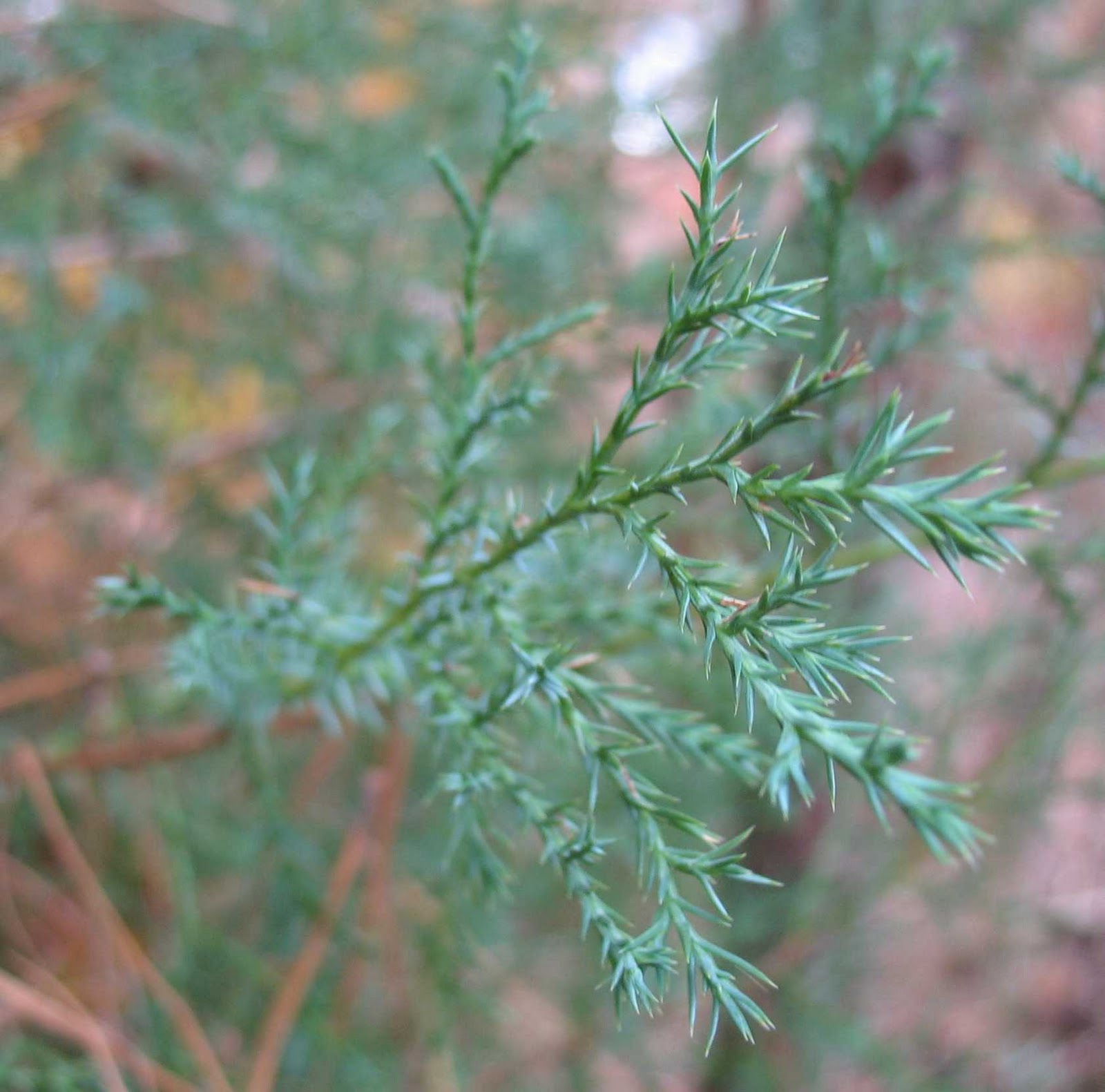
Eastern redcedar (Juniperus virginiana) – A soft needled tree that is technically a Juniper, it is often grown for Christmas trees. This plant is commonly found along fence lines in pastures. The wood is very fragrant and coincidentally makes great fence posts. Birds like to nest in these.
Hollies (Ilex spp.) – The evergreen hollies (there are deciduous ones too) come in all sizes from the large American holly (Ilex opaca) to the shrub-like and wet-tolerant Inkberry (Ilex glabra) to the very variably formed Yaupon holly (Ilex vomitoria) which can be a weeping tree form or a small foundation shrub. You may be surprised to know that not all of them have spines. If you want berries, remember to look into getting male and female forms.
Evergreen magnolias – Southern magnolia (Magnolia grandiflora) is native to coastal Georgia primarily but is available in nurseries everywhere. While many cultivars are now available, be aware that in the Piedmont region of Georgia, this plant is a bit of a pest. Birds have dispersed seeds into natural areas where it can outcompete some of the regionally native trees. Sweetbay magnolia (Magnolia virginiana) is another evergreen magnolia native to Georgia; it happens to tolerate wet conditions. Here is a bloom on M. virginiana:

Pines – Pines are much maligned as desirable trees for a variety of reasons. I think the two most common reasons are that ice storms bring out the worst in pines, and that they are very common trees. However, I think they should be considered for screening for 3 reasons: they can be very inexpensive, they grow fast and they are easy to remove when you don’t need the screen. Loblolly pine (Pinus taeda) seedlings can be reasonably priced as seedlings from the Georgia Forestry Commission’s seedling program. A less common but very attractive pine for North Georgia is White Pine (Pinus strobus); hands down, white pine has the prettiest cone of all pines that I’ve seen in Georgia and the blue-green needles make very soft pine straw.
Check out the Georgia Forestry Commission’s seedling program. You can get seedlings of Wax Myrtle, Eastern Redcedar and several different pines: Georgia Forestry Commission
Partial Shade:
Hemlock – A stately tree of mountainsides and trout streams, the Hemlock is under active attack from an invasive insect pest, the wooly adelgid. However, I think we should keep planting them, you never know if yours might be the one with resistant genes! Eastern hemlock (Tsuga canadensis) is the most commonly available one for purchase. Beautiful foliage and shade tolerance make this a very desirable choice for partial shade areas.

Florida Anise – I love this tree (Illicium floridanum) for not only shade tolerance but also handsome foliage that is fragrant when you brush up against it. Flower fragrance, however, can be a little “off” depending on your individual sense of smell so site it carefully. Many people mistake this for evergreen Rhododendron when they first see it.

Rhododendron – In the same family as Azaleas, the evergreen Rhododendron catawbiense is the one I find most often in stores. If you can find it, Rhododendron maximum is very handsome but a much larger plant at maturity. Both of these prefer to grow in North Georgia (for a similar look in the rest of Georgia, see the Florida anise description above). This is R. maximum:

Mountain Laurel – few plants are more dazzling in full bloom than Kalmia latifolia. Another mountainside plant, this one can still do quite well as a garden plant in North Georgia. I have used it as a foundation plant, and you can fit a variety of cultivars in better nurseries. ‘Elf’ and ‘Minuet’ are two dwarf forms. Similar to Rhododendrons, plant them a little “high” to achieve the good drainage that they need.

Carolina Cherry Laurel - Prunus caroliniana is good for screening and the berries are enjoyed by wildlife. The cultivar ‘Compacta’ offers a nice dense form. Some people find this plant a bit “weedy” because of the seedlings, similar to the issues with Southern magnolia seedlings.
If you need help finding these plants, check out the Native Nurseries page on the Georgia Native Plant Society's website: Sources for Native Plants
Langganan:
Postingan (Atom)
LinkWithin
